

“What gets scheduled gets done.”
Michael Hyatt (1955– )

Where across the course of your day today, could you consider where it might be that the things you say are important to you are not being scheduled strongly enough to become inevitable?
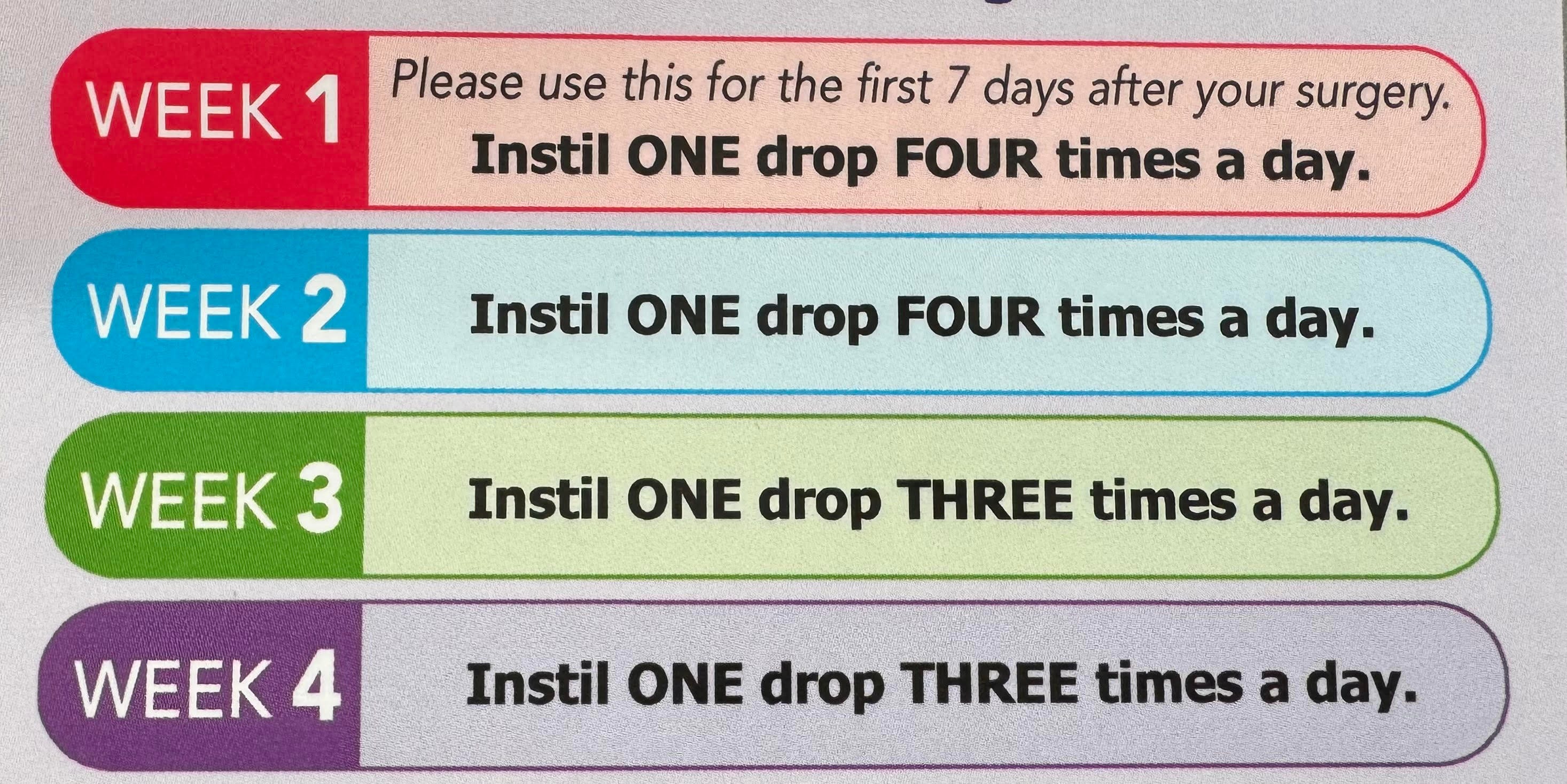
I was speaking to my mother about her cataract surgery and the eye drops we both now have to administer multiple times a day.
Every four hours, without fail.
During the same conversation, she mentioned she had a bit of a cold, and I asked her how much water she had been drinking.
Interestingly, many elderly people almost wear dehydration as a badge of honour.
“Oh, I hardly drink any water.”
“I never feel thirsty.”
“I’m fine with just a couple of cups of tea.”
Yet the human body is largely water, and many of the symptoms people associate with ageing are often amplified by chronic dehydration.
Fatigue, brain fog, dry skin, poor recovery, constipation, joint stiffness, headaches,
and reduced cognitive clarity.
I said to my mother, “You probably don’t feel the need for these eye drops every four hours either, so how do you remember to do them?”
She replied, “I set an alarm.”
And there it was.
The answer to many of the habits we wish we had is not motivation, not inspiration, not even discipline alone.
It is structure, scheduling, and systems.
I then mentioned the idea of habit stacking and suggested, “Why don’t you drink a glass of water every single time you do your eye drops?”
One healthy behaviour attached to another.
The eye drops become the trigger; the water becomes the routine.
This is one of the great truths of behaviour change:
If it gets scheduled, it gets done.
Most people leave their health to memory, mood, convenience, or chance.
They hope they’ll remember to stretch.
Hope they’ll drink more water.
Hope they’ll work out.
Hope they’ll meditate.
Hope they’ll take supplements.
Hope they’ll call the person they love.
Hope is not a system; your future health is often hidden inside the routines you automate.
The body adapts remarkably well to repetition, and so does the mind.
The people who appear disciplined are often simply people who have reduced the amount of negotiation required.
The workout clothes are laid out, the training session is diarised, the water bottle is filled, the meals are prepared, and the alarm is set.
They don’t repeatedly decide; they design.
The difference between thriving and declining is not intelligence; it is structure.
While you’re thinking about that, think about this and have a Gr8 day!
Be well,
DL
“Success doesn’t come from what you do occasionally. It comes from what you do consistently.”
Marie Forleo (1975– )